
Retinal detachment is a sight-threatening emergency where the retina – the light sensitive layer lining the back of the eye
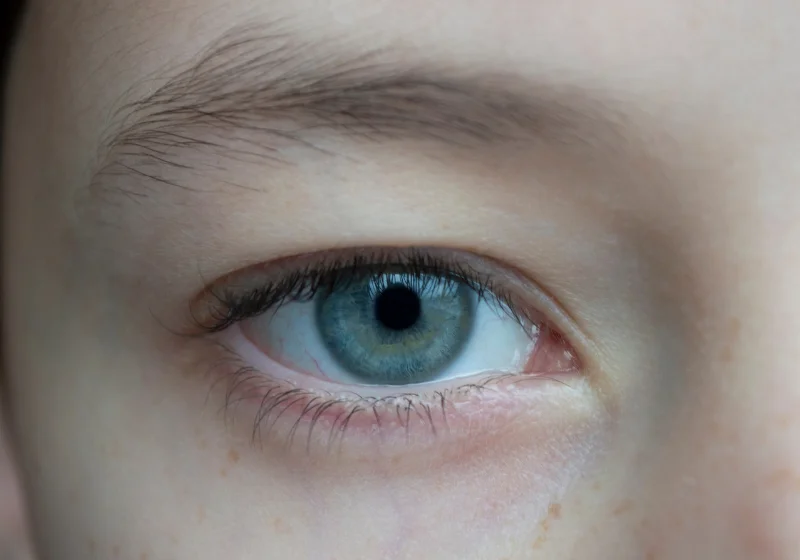
Retinal detachment is a sight-threatening emergency where the retina (light-sensitive layer at the back of the eye) separates from its normal position and blood supply. Without immediate treatment, it can lead to permanent vision loss within hours to days.
At Drishtikunj Netralaya, Danapur, Patna, retina specialist Dr. Kumar Nishant – MBBS, MS, FICO (Royal College of Ophthalmologists, London); Fellow, Aravind Eye Hospital provides prompt surgical intervention, maximising the chances of full visual recovery.
A gas bubble is injected into the vitreous cavity to push the detached retina back into place, combined with laser photocoagulation or cryotherapy to seal the retinal break.
A silicone band is sutured around the outer wall of the eye to indent the sclera and relieve traction on the detached retina. Effective for peripheral retinal detachments with clear media.
Vitrectomy is the preferred approach for complex or advanced detachments. The vitreous gel is removed and replaced with gas or silicone oil to reattach the retina. Dr. Kumar Nishant’s international training makes Drishtikunj Netralaya a leading retinal surgery centre in Patna.
Yes. Retinal detachment is an ophthalmic emergency. Every hour of delay reduces the chances of full vision recovery. If you experience sudden floaters, flashes, or a shadow in your vision, call Drishtikunj Netralaya, Danapur, Patna immediately on +91 8434743380.
A retinal tear (before full detachment) can sometimes be treated with laser photocoagulation or cryotherapy alone. Once the retina is fully detached, surgery (pneumatic retinopexy, scleral buckling, or vitrectomy) is required. Prompt evaluation at Drishtikunj Netralaya, Patna, is essential.
With prompt intervention, surgical reattachment of the retina is successful in over 85–90% of cases with a single procedure. Complex cases may require additional surgery. Visual recovery depends on whether the central macula was involved. Dr. Kumar Nishant (FICO London) at Drishtikunj Netralaya, Patna offers the highest level of retinal surgical expertise in Bihar.
High-risk groups include people with high myopia (strong minus glasses), previous eye trauma, family history of retinal detachment, cataract surgery patients, diabetics with proliferative diabetic retinopathy, and those with prior retinal tears. Annual dilated eye examination at Drishtikunj Netralaya, Patna is strongly advised for these groups.
Recovery after retinal surgery at Drishtikunj Netralaya, Patna varies by the type of procedure. After vitrectomy with gas, patients must maintain a specific head posture for 1–2weeks. Vision recovery continues over weeks to months. Dr. Kumar Nishant provides detailed post-operative instructions and close follow-up for all retinal surgery patients in Patna.