
Glaucoma is often called the ‘silent thief of sight’ because it causes irreversible damage to the optic nerve, gradually destroying peripheral vision without any pain or obvious warning signs in its early stages
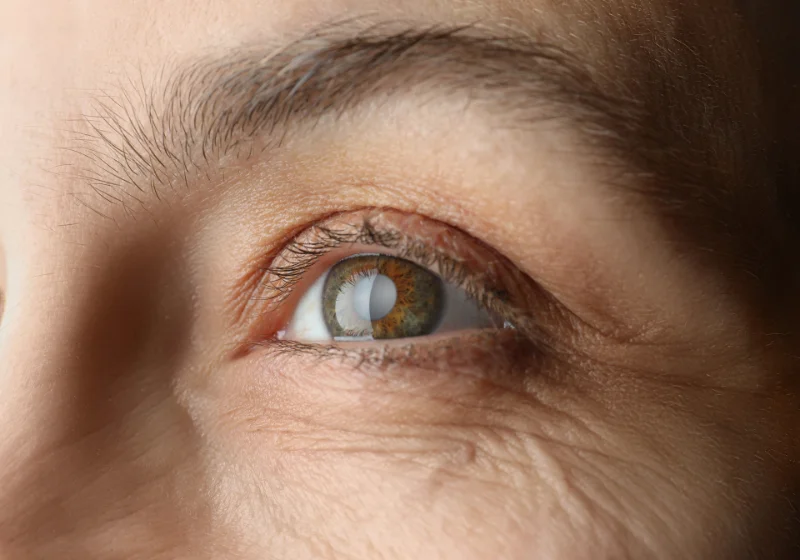
Glaucoma is often called the “silent thief of sight” because it causes irreversible damage to the optic nerve, gradually destroying peripheral vision without any pain or early warning signs.
In India, glaucoma affects an estimated 12 million people and is the second leading cause of blindness after cataract. Bihar has a significant glaucoma burden, with many cases going undetected for years.
At Drishtikunj Netralaya, Danapur, Patna, our AIIMS-trained glaucoma specialist Dr. Randhir Kumar provides early detection, effective medical management, laser treatment, and surgical options to halt the progression of glaucoma and preserve your vision in Patna.
Primary Open-Angle Glaucoma (POAG) – Most common type; silent, gradual vision loss
Angle-Closure Glaucoma – Acute emergency; severe eye pain, nausea, sudden vision loss
Normal-Tension Glaucoma – Optic nerve damage despite normal eye pressure
Secondary Glaucoma – Caused by diabetes, trauma, uveitis, or steroid use
Childhood / Congenital Glaucoma – Rare but serious; requires early surgical intervention
Pressure-lowering eye drops are the first line of treatment for open-angle glaucoma. Options includebeta-blockers (Timolol), prostaglandin analogues (Latanoprost), alpha-agonists, and carbonic anhydrase inhibitors. Strict adherence to the prescribed drop schedule is essential.
Selective Laser Trabeculoplasty (SLT) improves fluid drainage in the trabecular meshwork to reduce intraocular pressure and is used in open-angle glaucoma. Laser Peripheral Iridotomy (LPI) creates a small opening in the iris to relieve pressure in angle-closure glaucoma.
When medications and laser fail, glaucoma surgery in Patna options include trabeculectomy (creating a new drainage channel) or tube shunt surgery (inserting a drainage tube). Dr. Randhir Kumar performs glaucoma surgeries with precision and extensive AIIMS-trained experience.
Glaucoma is a group of eye diseases that damage the optic nerve, usually due to elevated intraocular pressure. It cannot be reversed or cured – vision lost to glaucoma is permanent. However, with early detection and treatment at Drishtikunj Netralaya, Patna, its progression can be effectively halted, preserving your remaining vision.
People over 40 years, those with a family history of glaucoma, diabetics, hypertensive patients, high myopes (short-sighted), long-term steroid eye drop users, and those with previous eye injury are at higher risk. Regular glaucoma screening at Drishtikunj Netralaya,
Danapur, Patna is strongly advised for these groups.
Normal intraocular pressure (IOP) ranges from 10–21 mmHg. Glaucoma is often associated with IOP above 21 mmHg, though some patients develop glaucoma with ‘normal’ pressure (Normal-Tension Glaucoma). At Drishtikunj Netralaya, Patna, Dr. Randhir Kumar
evaluates all glaucoma risk factors together – not just eye pressure alone.
If you are over 40, or have any of the above risk factors, an annual glaucoma screening is recommended. If you already have glaucoma, follow-up frequency (every 3–6 months) is determined by the stage and progression rate. Book your glaucoma check-up at Drishtikunj
Netralaya, Bailey Road, Danapur, Patna.
Yes. In the majority of cases, glaucoma can be successfully managed with prescription eye drops and/or laser treatment (SLT). Surgery is reserved for cases where medical and laser treatment fail to adequately control eye pressure. Dr. Randhir Kumar at Drishtikunj Netralaya, Patna, offers all three treatment options.
If left untreated, advanced glaucoma can lead to complete blindness. However, with early detection and consistent treatment at a specialist centre like Drishtikunj Netralaya, Patna, the vast majority of glaucoma patients retain useful vision for life.