Squint (Strabismus) is a condition where the two eyes do not align properly
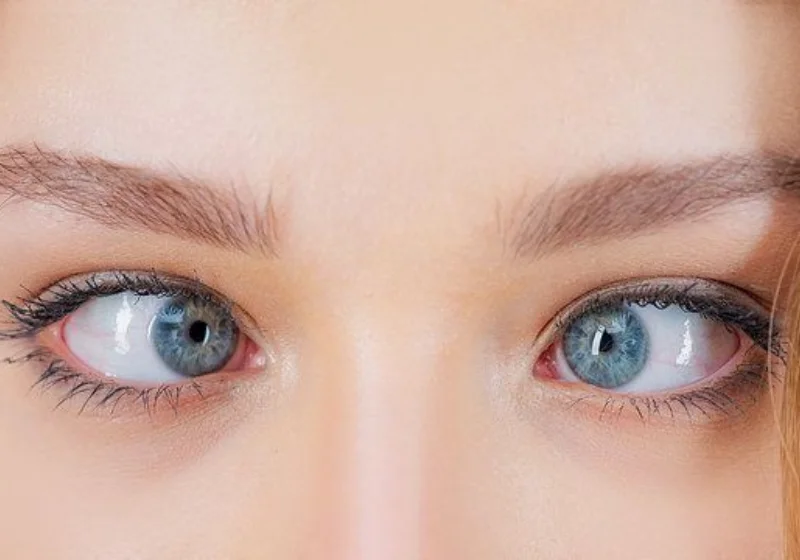
Squint (Strabismus) is a condition where the eyes are not properly aligned—one eye may turn inward (esotropia), outward (exotropia), upward (hypertropia), or downward. It can affect both children and adults and may lead to reduced vision (amblyopia), loss of depth perception, and psychosocial impact if not treated early.
At Drishtikunj Netralaya, Danapur, Patna, Dr. Randhir Kumar – trained at the Squint Unit, AIIMS New Delhi provides expert diagnosis and both non-surgical and surgical treatment, helping restore proper eye alignment and prevent long-term complications.
In accommodative squint, correcting the underlying refractive error with spectacles often reduces or eliminates the deviation. Orthoptic exercises and vision therapy can supplement treatment in selected
cases.
Botox injections into specific eye muscles temporarily weaken them to correct alignment. Useful in small-angle squints and as a diagnostic/therapeutic tool in selected patients.
Squint surgery involves adjusting the tension of the extraocular muscles to realign the eyes. It is a safe, day-care procedure performed under general anaesthesia in children and local anaesthesia in adults. Dr. Randhir Kumar’s AIIMS training ensures precise surgical outcomes with excellent cosmetic and functional results.
In children, untreated squint can cause permanent amblyopia (lazy eye) and permanent loss of binocular vision (3D depth perception). The visual system is most plastic before age 7 – making early treatment essential. Parents in Patna and Bihar are urged to seek evaluation at Drishtikunj Netralaya as early as possible if squint is noticed in a child.
In children, untreated squint can cause permanent amblyopia (lazy eye) and permanent loss of binocular vision (3D depth perception). The visual system is most plastic before age 7 – making early treatment essential. Parents in Patna and Bihar are urged to seek evaluation at Drishtikunj Netralaya as early as possible if squint is noticed in a child.
In some cases, yes. Accommodative squint (caused by an uncorrected refractive error) can often be corrected with prescription spectacles alone. However, most structural squints in children and adults require surgical correction of the eye muscles. Dr. Randhir Kumar at Drishtikunj Netralaya, Patna, will recommend the most appropriate treatment after a thorough assessment.
Yes. Squint surgery is one of the most commonly performed and safest paediatric eye procedures. At Drishtikunj Netralaya, Danapur, Patna, squint surgeries in children are performed under general anaesthesia by Dr. Randhir Kumar – an AIIMS-trained squint specialist with extensive surgical experience.
The vast majority of patients achieve significant improvement in eye alignment after squint surgery. Some patients may need a second procedure for fine-tuning. Dr. Randhir Kumar’s AIIMS training and experience ensure precise surgical planning and excellent functional and cosmetic outcomes for patients in Patna and Bihar.
Not always, but it is a significant risk – especially in children under 7. When the brain suppresses the image from the deviating eye to avoid double vision, amblyopia (lazy eye) develops. This is why early evaluation at Drishtikunj Netralaya, Patna, and prompt treatment of squint in children is so important.